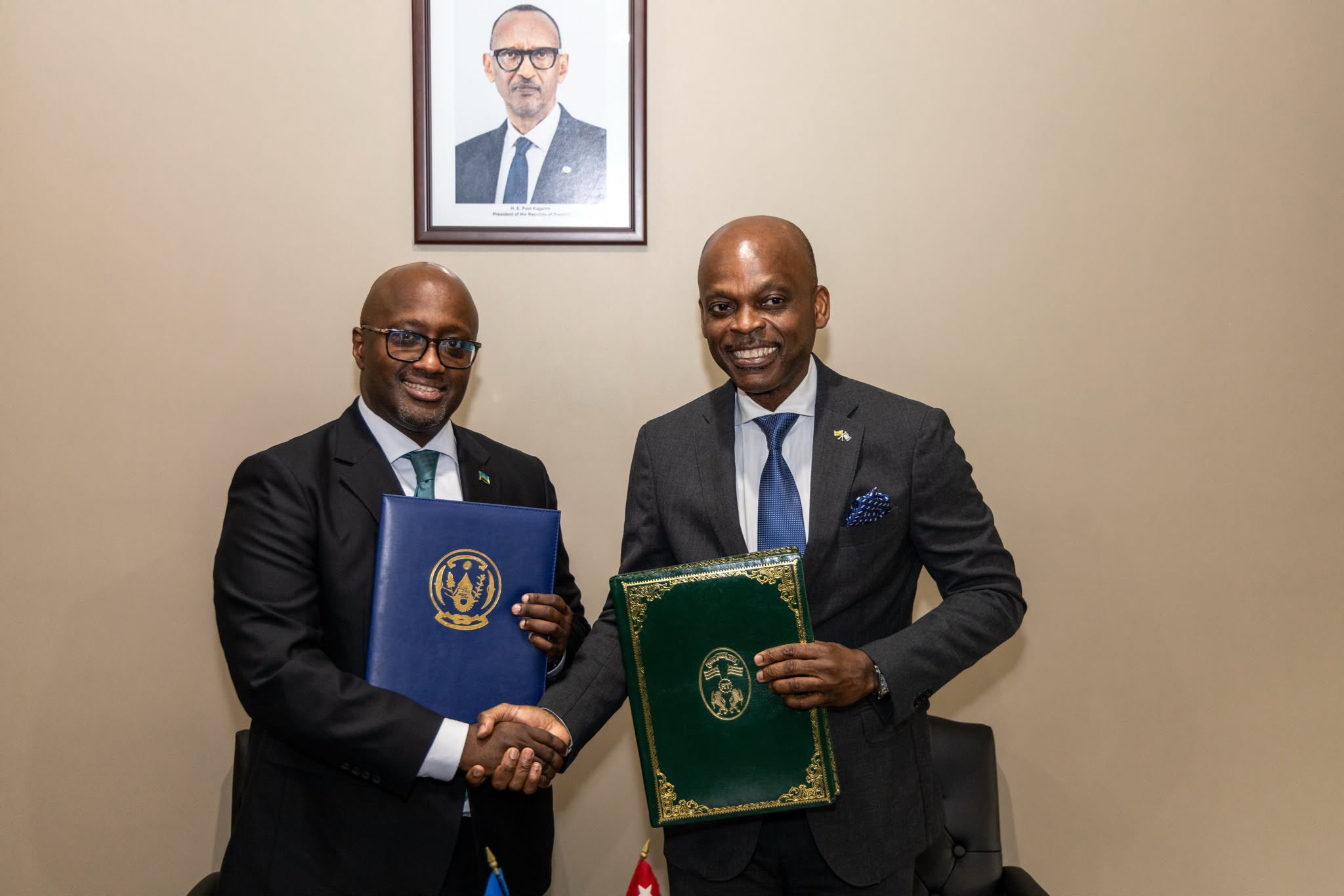
International Conference | Learning from the Past, Shaping the Future: Remembrance, Reconciliation and Reintegration - the 1994 Genocide against the Tutsi in Rwanda - Opening remarks by Minister Nduhungirehe
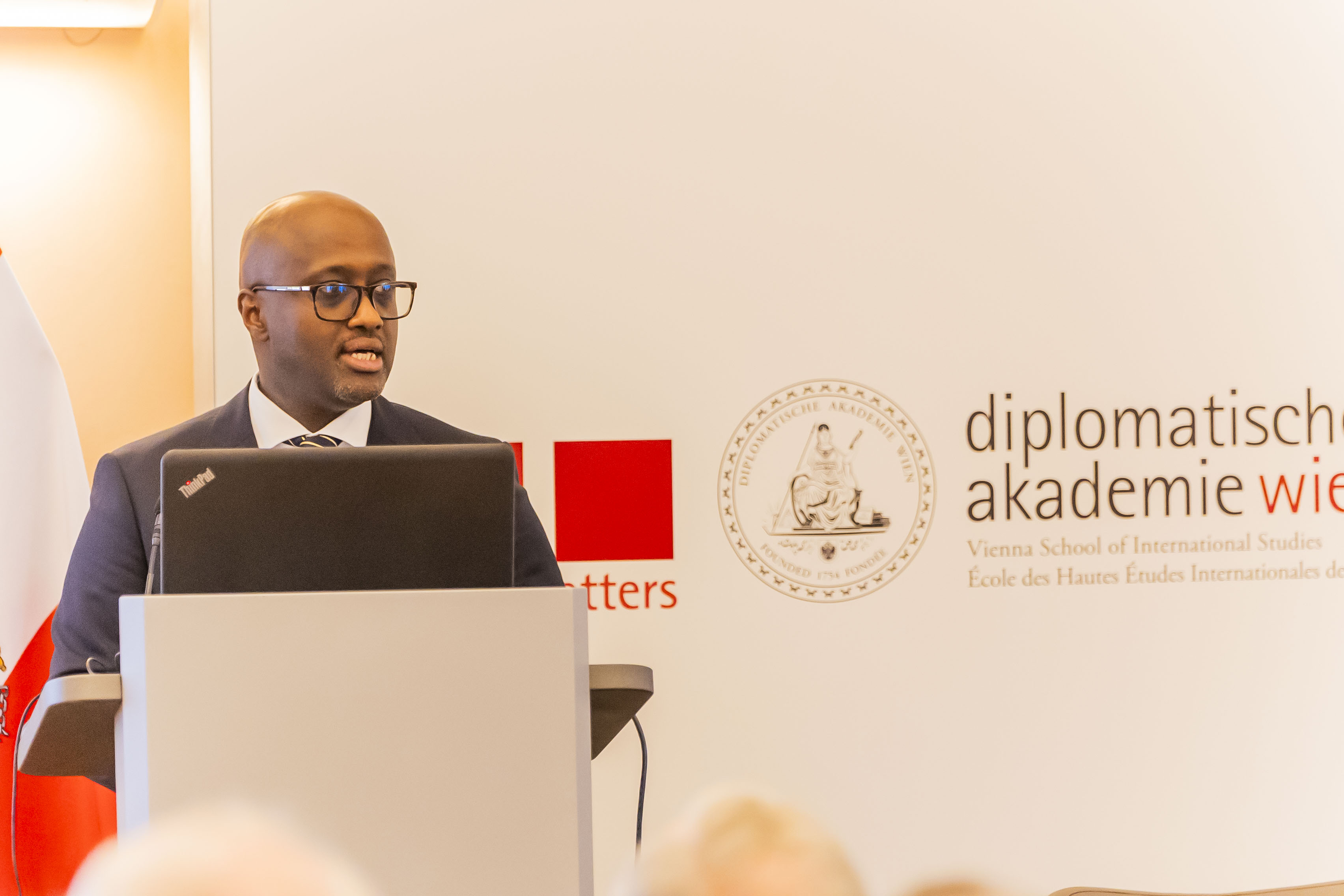
Vienna, 23 March 2026
Let me begin by thanking the Austrian Service Abroad Association, the Kigali Genocide Memorial, the Aegis Trust Foundation and the Austrian Foreign Ministry for convening this timely and important conference.
On behalf of the Government of Rwanda, I wish to extend our deep appreciation to the Government of Austria for its steadfast commitment to remembrance, education, and the global fight against genocide and hate speech.
Austria’s efforts to preserve memory, confront difficult histories, and promote dialogue are not only commendable—they are essential.
Hosting this conference today is particularly significant. We are living in a time when genocide ideology, denial, and distortion are not only persisting, but evolving.
They are spreading across borders with alarming speed, amplified by digital platforms and emerging technologies, including artificial intelligence.
These tools, while powerful for progress, are also being misused to manipulate narratives, fuel division, and obscure truth. This makes our collective responsibility—to remember, to educate, and to act—more urgent than ever before.
In international law, genocide is among the gravest of crimes. It is defined not only by acts of violence, but by intent. It is the deliberate, systematic attempt to destroy, in whole or in part, a national, ethnic, racial, or religious group.
Almost 32 years ago, the 1994 Genocide against the Tutsi in Rwanda took place. This was a carefully orchestrated plan of destruction which unfolded over several decades.
This was not a spontaneous eruption of violence. It was the culmination of decades of division, discrimination, and dehumanization. Long before 1994, Tutsis were subjected to repeated pogroms, exclusion, and persecution. Many were forced into exile. An apartheid-like system took root, codifying ethnicity and normalizing hatred. Then, in April 1994, the machinery of extermination was activated.
Roadblocks appeared overnight. Militias, armed mostly with machetes and crude weapons, moved with chilling efficiency.
Lists of names had been prepared in advance. Neighbours turned against neighbours. Families were hunted. Children were not spared.
In just 100 days more than one million people were killed in the fastest genocide in recorded history. This represented one in every seven Rwandans.
Let us pause on that reality: an entire nation shattered in a matter of weeks. Lives erased, communities destroyed, humanity tested at its very core.
And yet, even as the killings unfolded in plain sight, they were denied. They were minimized. They were mischaracterized as chaos, as conflict, as anything but what they were: a genocide.
The international community, despite warnings and clear evidence, failed to act. It failed to name the crime. It failed to stop it. History will forever bear witness to that failure.
After the genocide was stopped in July 1994 by the Rwandan Patriotic Front, Rwanda stood at the edge of an abyss.
Our country was devastated. Our people were traumatized. Institutions had collapsed. Trust had been destroyed.
At that defining moment, Rwanda faced a fundamental choice: to pursue revenge, or to choose a different path.
Our leaders, guided by the resilience of our people and the lessons of our history, chose unity, reconciliation, and nation-building.
On July 19th, 1994, the Government of National Unity was established, bringing together a coalition of political forces under a shared vision: to rebuild Rwanda as one nation.
The challenges were immense. How do you restore trust among people who have experienced such profound violence? How do you deliver justice while fostering reconciliation? How do you rebuild a country made up of the wounded, the bereaved, and the displaced?
The answer lay in strong political will, inclusive governance, and homegrown solutions rooted in our culture.
From the very beginning, steps were taken to restore unity. Ethnic identity cards were abolished. The narrative of division was rejected. Rwandans were encouraged to see themselves not as separate groups, but as one people.
In an extraordinary act of rebuilding, former soldiers of the previous national army were integrated into the new national army, alongside the forces that had stopped the genocide. This was not just a security measure. It was a powerful statement of reconciliation and shared future.
Millions of refugees returned home. Internally displaced persons were resettled. Security was restored, despite continued threats from genocidal forces operating beyond our borders.
At the same time, the Government initiated nationwide consultations, at the grassroots and national levels, bringing citizens together to reflect on the past and to define a collective vision for the future.
This process led to the establishment of the National Unity and Reconciliation Commission in 1999, tasked with fostering dialogue, healing, and social cohesion.
Justice, too, had to be reimagined. Conventional systems alone could not handle the scale of crimes committed. In response, Rwanda revived a traditional mechanism: the Gacaca courts.
Established in 2002, Gacaca was a community-based justice system that allowed truth-telling, accountability, and reconciliation to take place at the local level.
Over a decade, more than two million cases were tried. Perpetrators confessed, survivors spoke, and communities began the long process of healing.
Unity and reconciliation were further enshrined in Rwanda’s 2003 Constitution, which emphasizes inclusiveness, power-sharing, and the constant pursuit of solutions through dialogue and consensus.
Today, Rwanda stands as a testament to what is possible when a nation chooses to confront its past with honesty and courage.
Despite this progress, the negative forces that led to the genocide against the Tutsi have not disappeared.
Genocide ideology, denial, and negationism continue to spread, sometimes openly, sometimes subtly, across regions and continents.
In our own neighbourhood, particularly in the Great Lakes region, these dangerous narratives are contributing to ongoing instability.
In Eastern Democratic Republic of Congo, extremist ideologies targeting Tutsi communities, including Banyamulenge, continue to fuel violence, persecution, and displacement.
We must be clear: silence in the face of such warning signs is complicity. We have seen before where denial and indifference can lead.
We cannot afford, as an international community, to repeat the mistakes of 1994.
This also extends beyond our region. In various parts of the world, including in some Western capitals, genocide denial and distortion are finding new platforms.
Stronger legal frameworks, better education, and greater accountability are needed to confront these trends.
Let me conclude by once again thanking the Government of Austria for bringing global attention to this critical issue at such a pivotal time.
Rwanda remains committed to working closely with Austria and all partners to strengthen remembrance, counter genocide ideology, and promote reconciliation worldwide.
Together, we must ensure that “Never Again” is not merely a slogan, but a lived reality.
I thank you.
Watch the full video here.
Topics
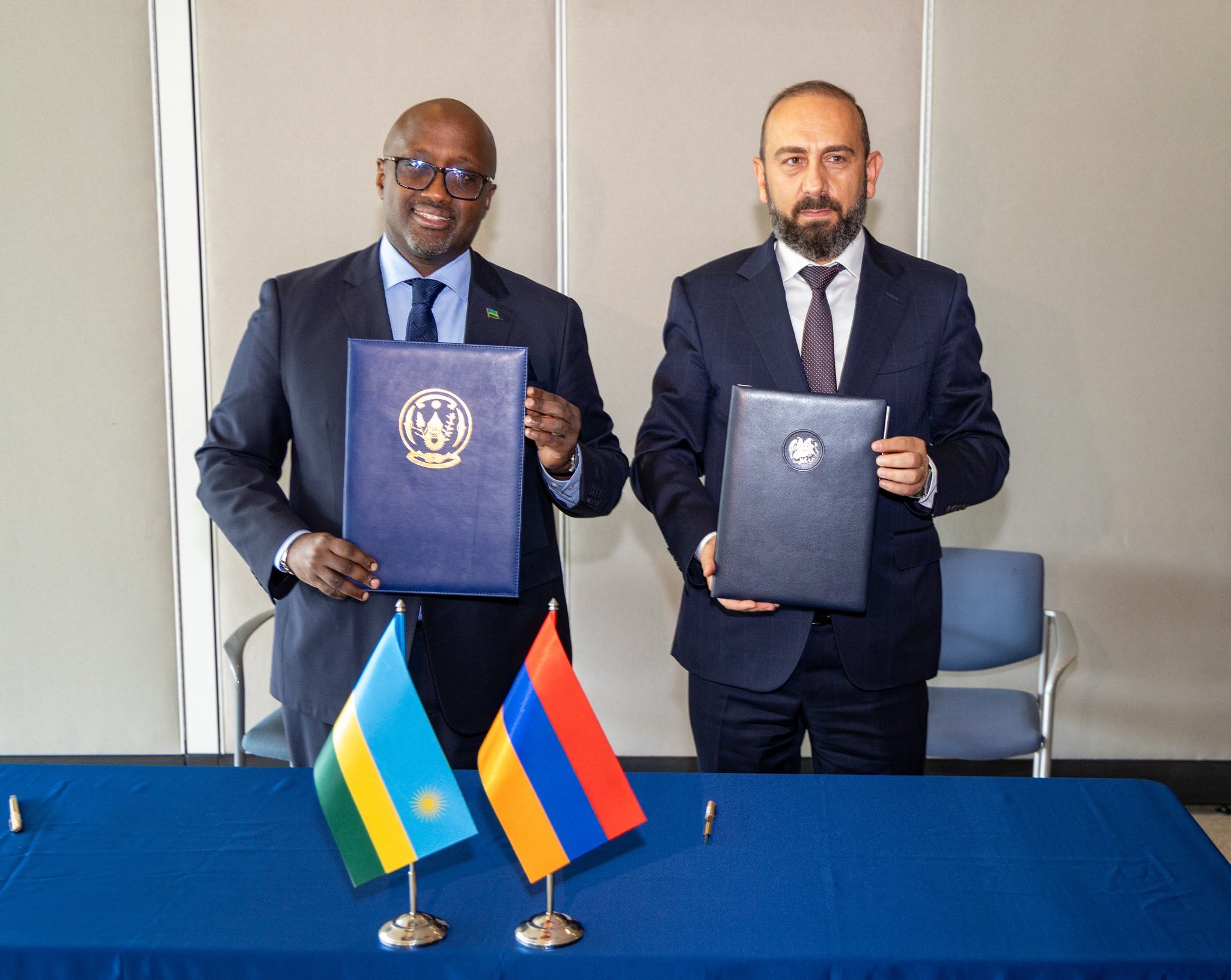
Rwanda and Armenia sign Agreement on mutual visa exemption
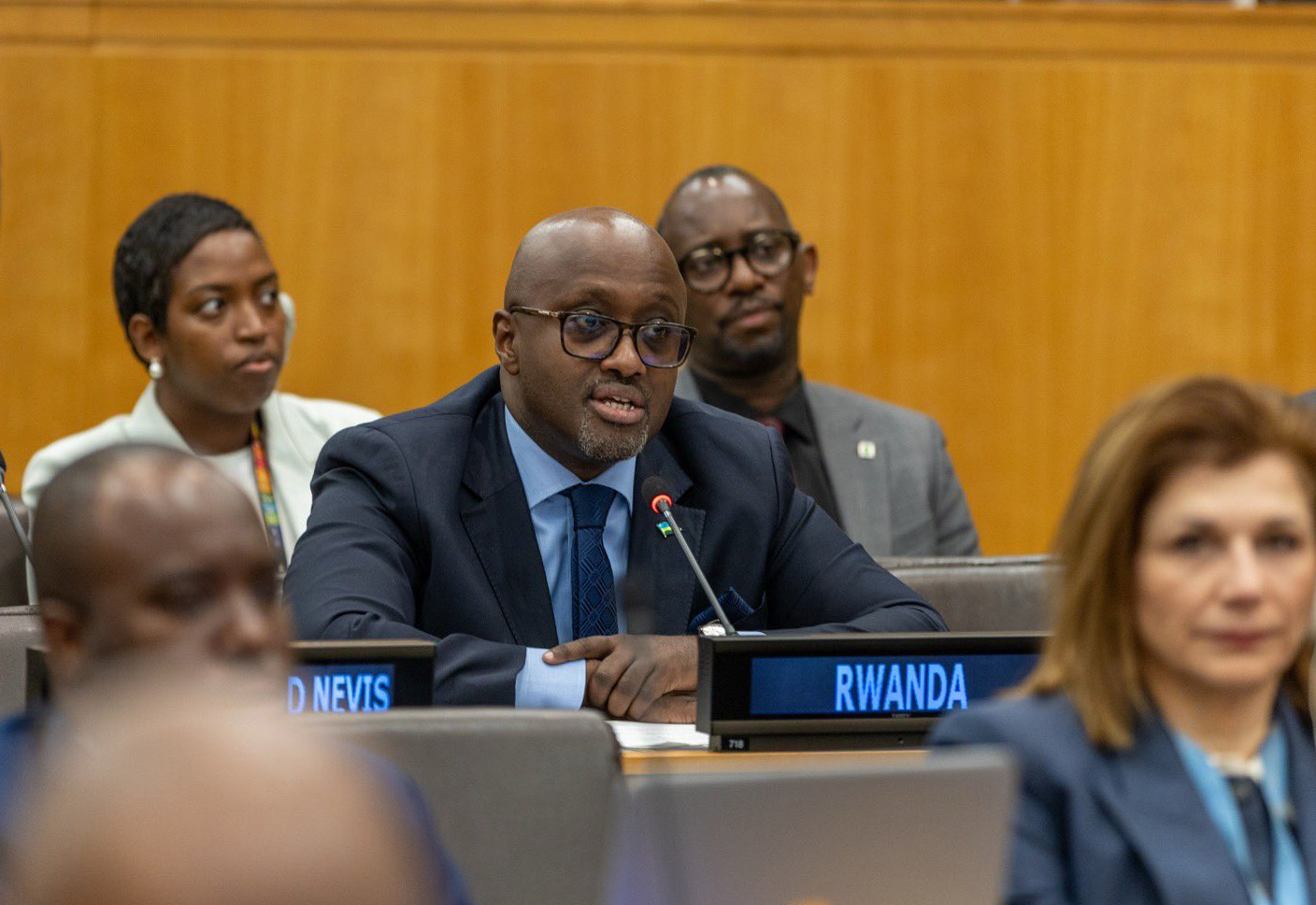
Rwanda Assumes G77 Chairmanship for 2027
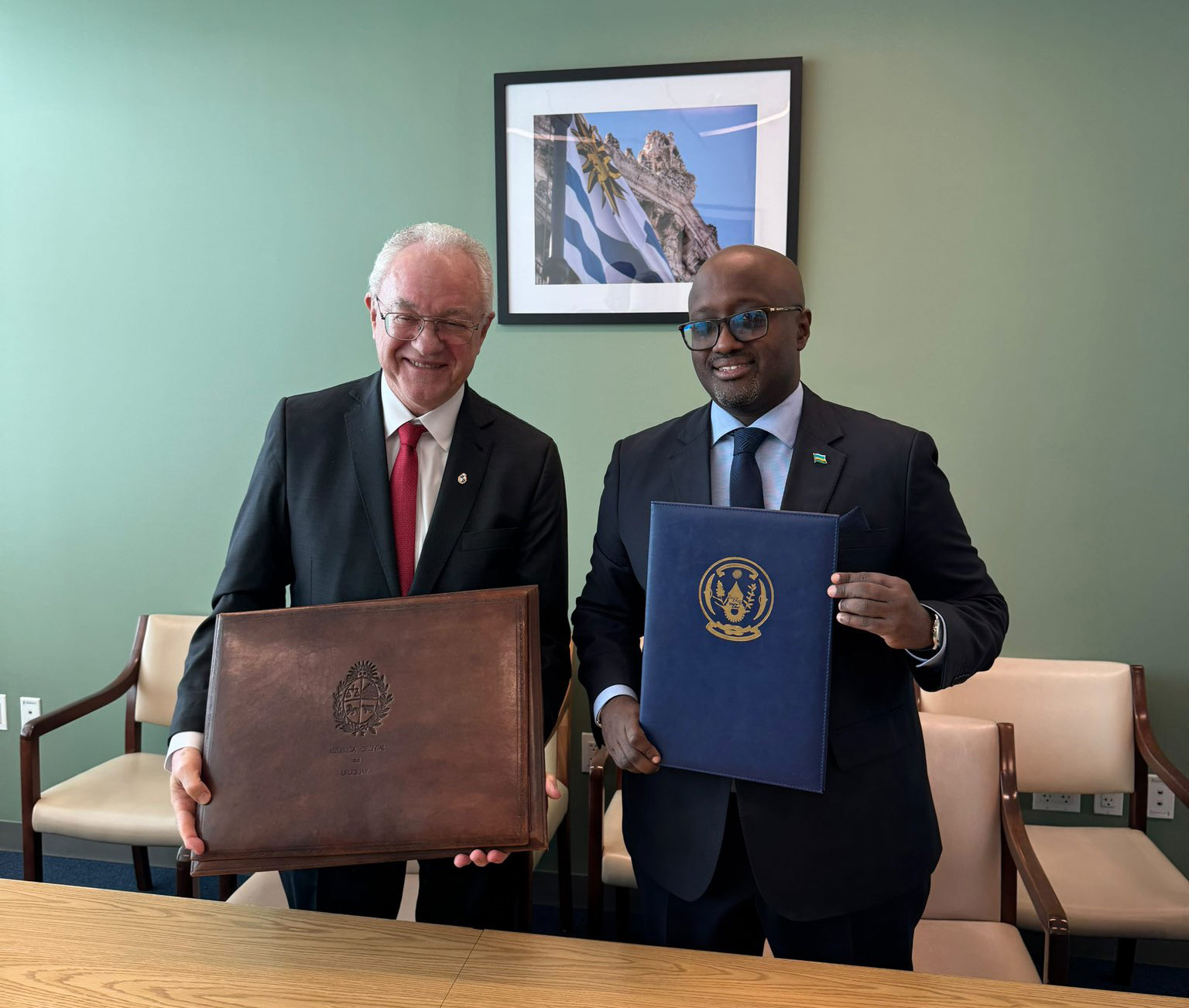
Rwanda and Uruguay Sign General Cooperation Agreement
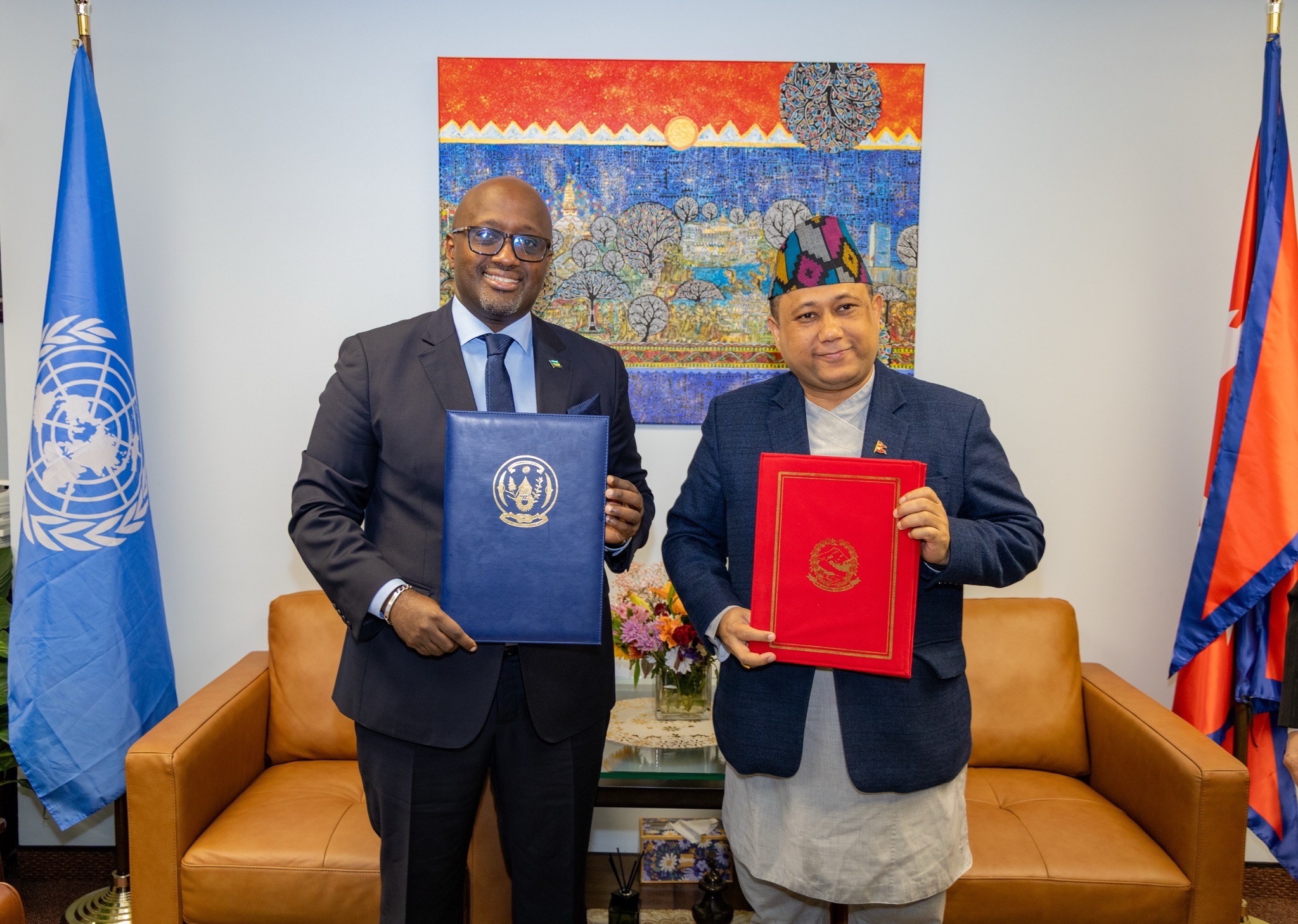
Rwanda and Nepal Sign General Cooperation Agreement
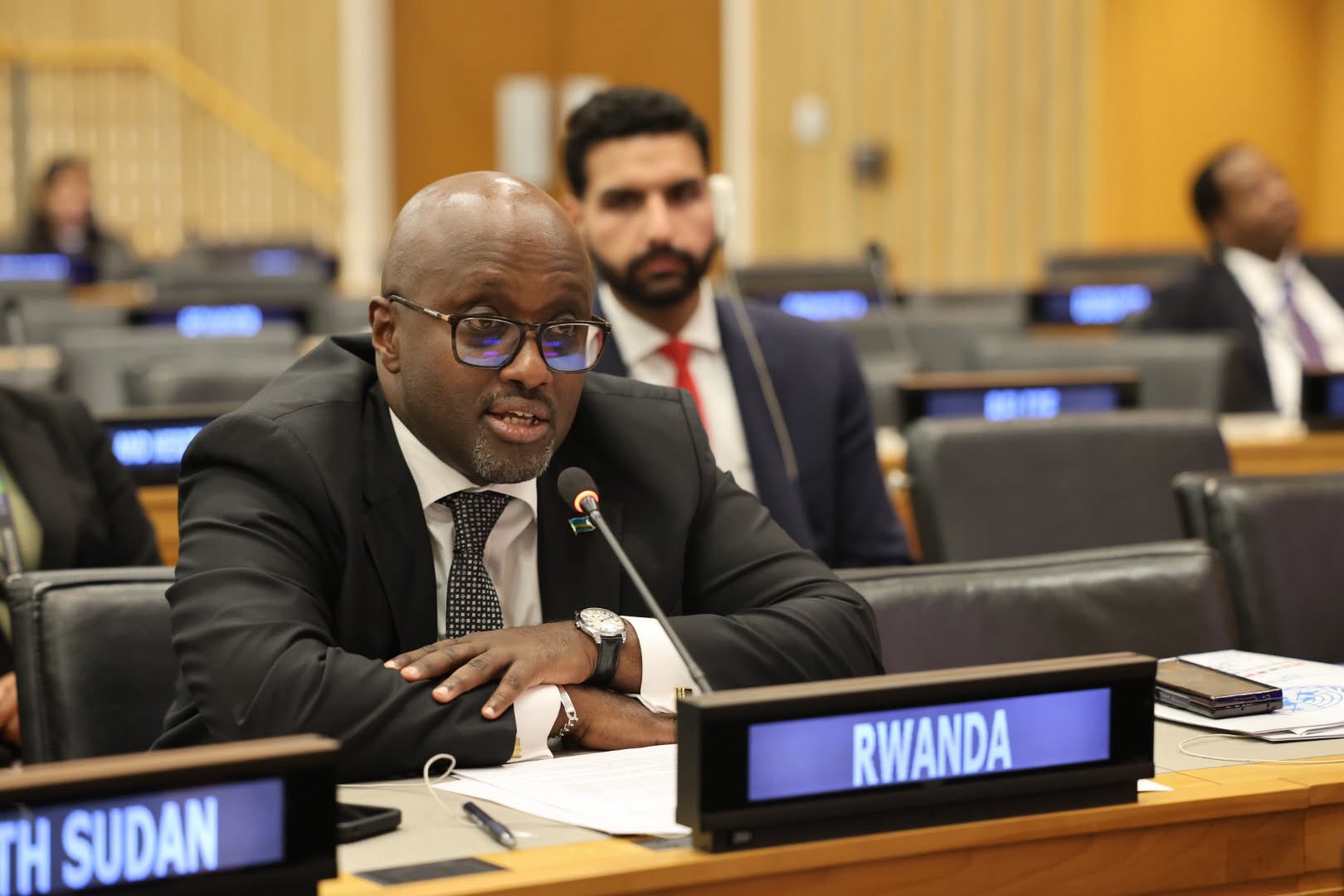
Minister Nduhungirehe attends Landlocked Developing Countries Annual Ministerial Meeting
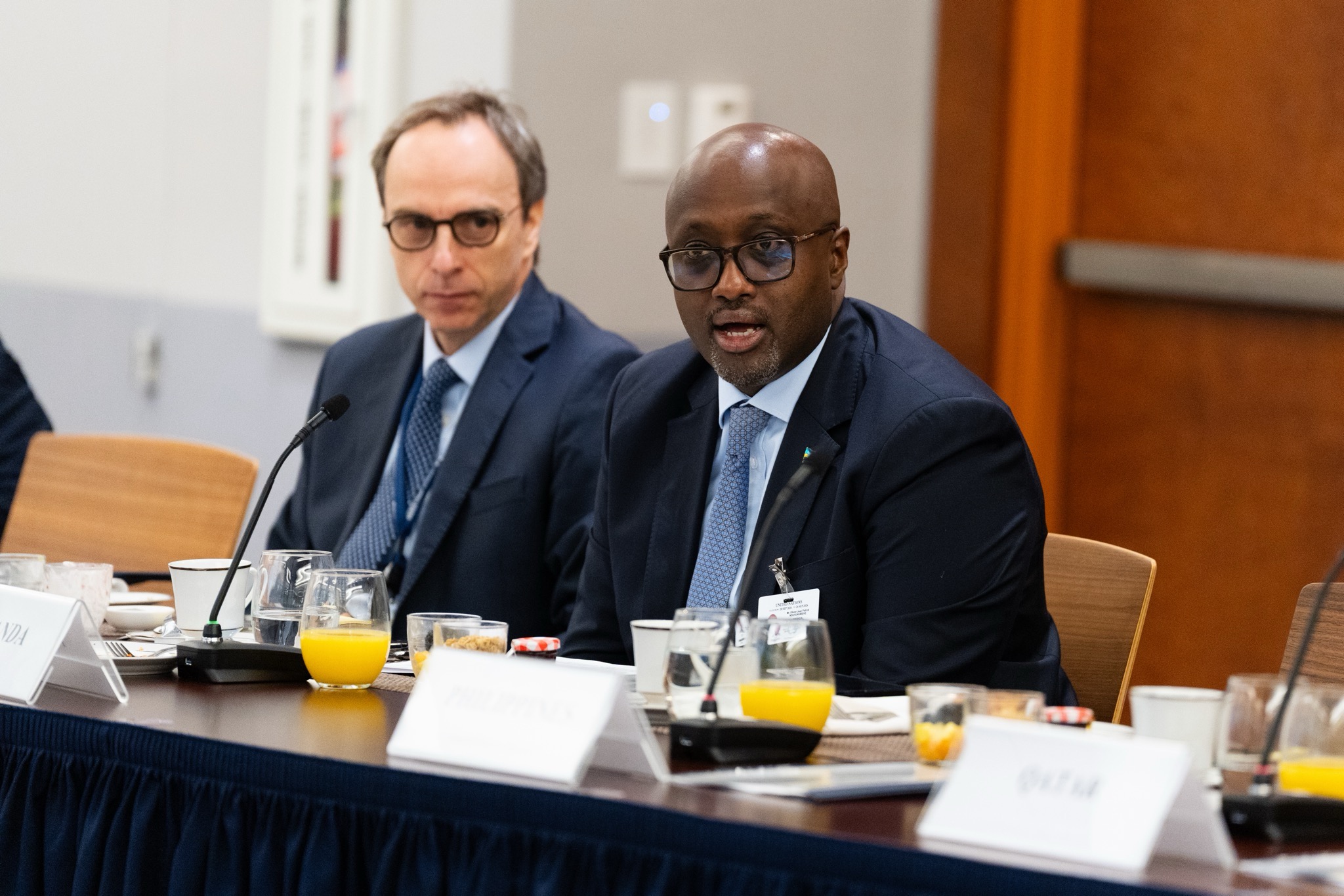
Minister Nduhungirehe attends 19th Ministerial Meeting of Global Governance Group
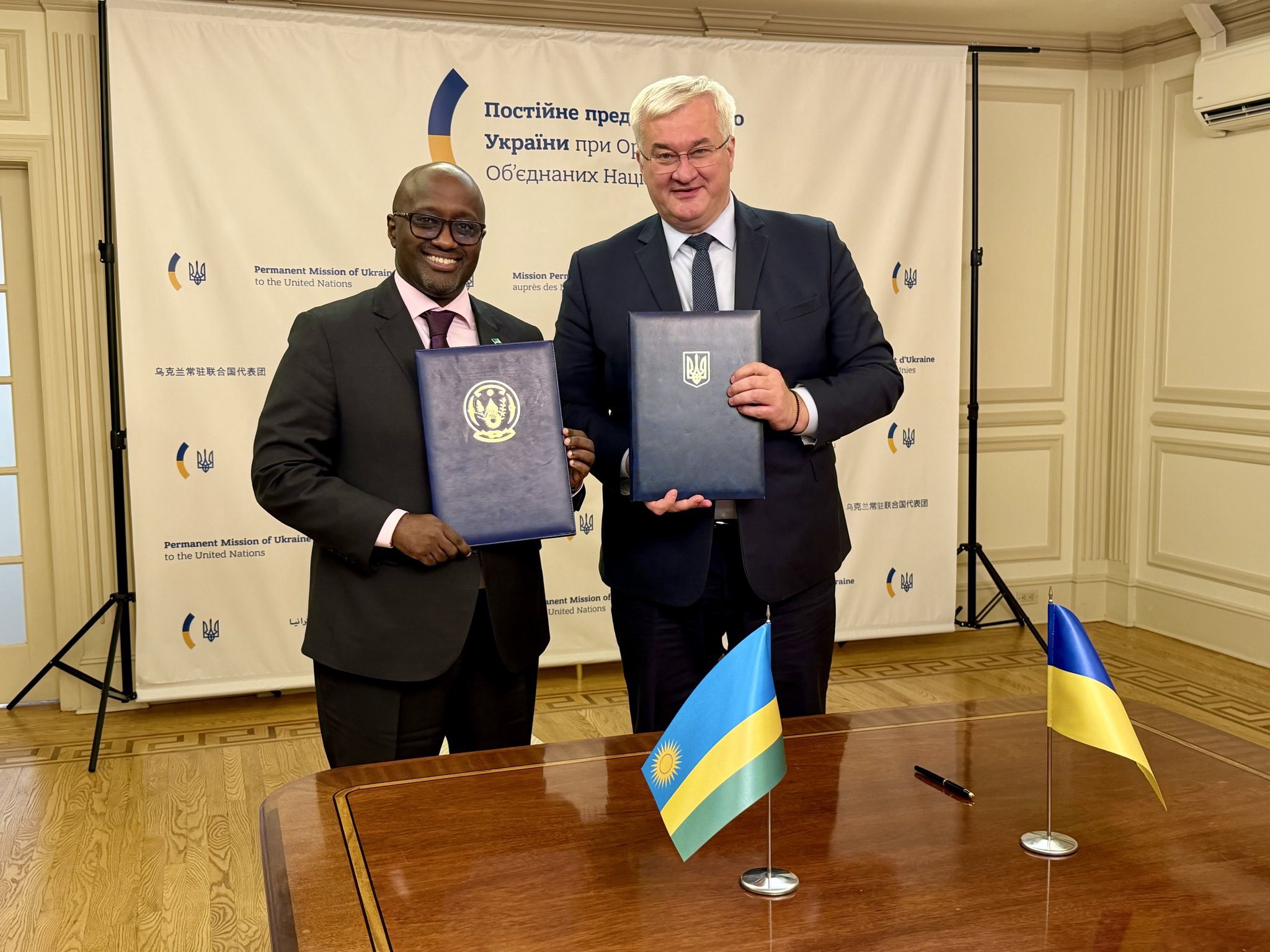
Rwanda and Ukraine Sign Agreement on Mutual Visa Exemption
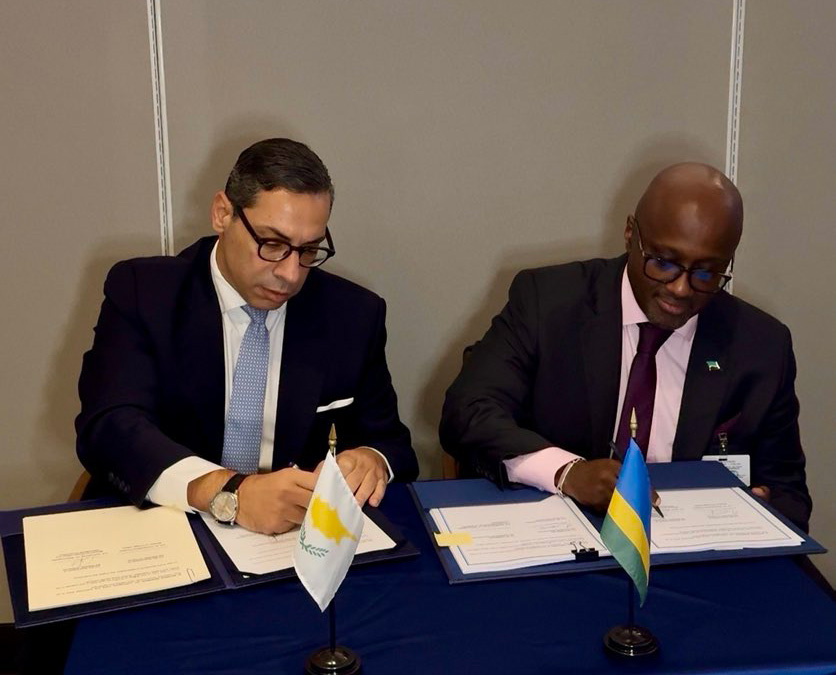
Rwanda and Cyprus sign Air Services Agreement