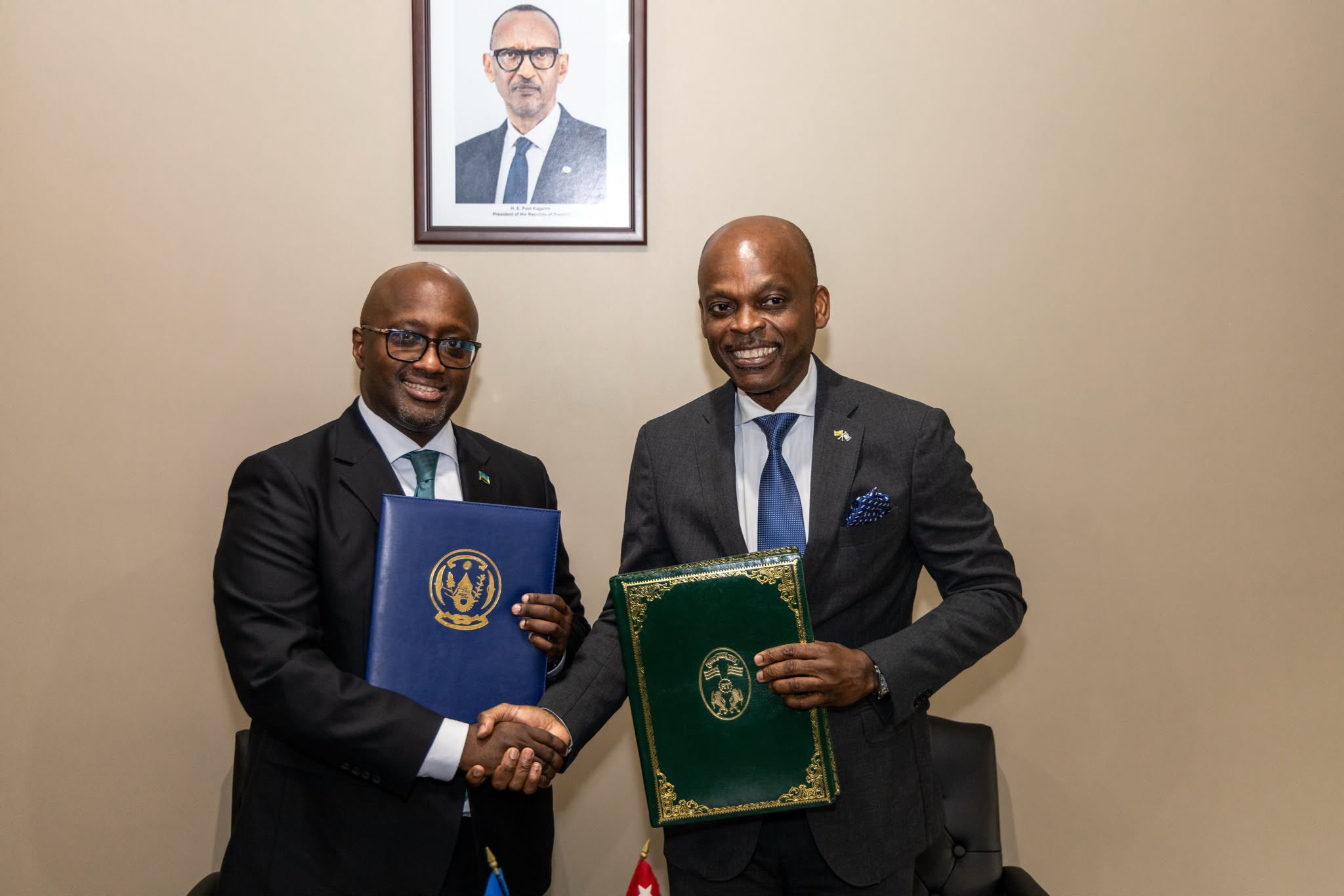
Keynote Address by Minister Olivier J.P. NDUHUNGIREHE, at the Global Growth Conference 2026, Rabat

It is a great honour for me to address you today at the Global Growth Conference 2026.
Allow me, first, to express Rwanda’s sincere appreciation to the Kingdom of Morocco, to the Amadeus Institute, and to all partners who have contributed to the success of this important gathering.
Over these two days, the discussions will be focused on one defining question: how Africa can build resilient and sustainable growth in a fragmented and rapidly evolving world.
For Rwanda, the answer lies in three strategic priorities that will largely determine Africa’s economic trajectory over the coming decades:
First, investing in transformative infrastructure
Second, developing Africa’s human capital
And third, accelerating intra-African trade and integration
Infrastructure remains the foundation upon which modern economies are built.
No country can industrialize, compete globally, or create prosperity at scale without reliable energy systems, efficient logistics, and advanced digital infrastructure.
For Africa, the infrastructure gap is not simply a development issue; it is fundamentally a competitiveness issue.
Energy access remains one of the continent’s greatest challenges. Yet, it is also one of its greatest opportunities.
Africa possesses immense renewable energy potential, from solar and hydro, to geothermal and green hydrogen. The priority now is to mobilize financing and partnerships capable of transforming this potential into productive economic power for industries, businesses, and communities.
Reliable and affordable energy is indispensable for industrialization, manufacturing, digital services, and the development of regional value chains.
At the same time, logistics and connectivity must become central pillars of Africa’s growth strategy.
The cost of moving goods across Africa often remains higher than trading with markets outside the continent. This reality undermines competitiveness and limits the full promise of the African Continental Free Trade Area.
Strategic investments in transport corridors, ports, railways, aviation, and smart border systems are therefore essential to creating a truly integrated African market.
Equally important is digital infrastructure.
We are entering an era in which data, artificial intelligence, and digital innovation will shape productivity, governance, and global competitiveness.
Africa must not remain merely a consumer of emerging technologies. We must become creators, innovators, and active participants in the digital economy.
This requires investment in broadband infrastructure, digital public services, cyber security, innovation ecosystems, and AI readiness.
In Rwanda, we see technology not as a luxury, but as a development accelerator, capable of improving public service delivery, expanding financial inclusion, supporting education, and strengthening healthcare systems.
Infrastructure alone, however, is not enough.
The most valuable resource any nation possesses is its people.
Africa is projected to become home to the world’s largest workforce by the end of this century. This demographic transformation can either become a tremendous economic dividend or a missed opportunity.
The difference will depend on our investments in human capital.
We must equip our young people with the skills required for the economies of the future — particularly in science, technology, engineering, innovation, and entrepreneurship.
Education systems must evolve to meet the demands of rapidly changing labour markets.
Technical and vocational training must be elevated and aligned with industrial priorities.
At the same time, healthcare systems, nutrition, gender equality, and youth empowerment remain essential components of productivity and long-term economic resilience.
Rwanda’s experience has reinforced our conviction that inclusive development is only possible when women and young people are fully integrated into national transformation efforts.
The third strategic priority is accelerating intra-African trade and regional integration.
Africa’s future prosperity will depend not only on what we produce, but also on how effectively we trade with one another.
The African Continental Free Trade Area presents a historic opportunity to create the world’s largest integrated market, connecting more than 1.4 billion people and unlocking new engines of growth across the continent.
However, integration cannot remain only a political aspiration. It must translate into practical economic realities for businesses, entrepreneurs, and citizens.
This requires reducing non-tariff barriers, harmonizing regulations, strengthening payment systems, and improving cross-border infrastructure.
It also requires building regional value chains that enable Africa to move beyond exporting raw materials toward higher levels of industrialization and value addition.
In an increasingly uncertain global environment, deeper African integration is not simply desirable — it is strategic.
By trading more with one another, investing more in one another, and building stronger regional partnerships, Africa can strengthen its resilience and position itself as a more influential actor within the global economy.
Africa’s future will not be defined by its challenges, but by how boldly and collectively we respond to them.
The decisions we make today — the investments we prioritize, the partnerships we build, and the reforms we pursue — will shape the continent’s economic trajectory for generations to come.
The opportunities before us are immense.
With strategic leadership, long-term vision, and stronger regional cooperation, Africa can emerge as a major pole of global growth, innovation, and prosperity.
Rwanda remains fully committed to working alongside African nations and international partners to advance an agenda of sustainable development, regional integration, and shared prosperity.
Let us therefore move forward with ambition, confidence, and a shared determination to build the Africa we want.
I thank you for your kind attention.
Topics
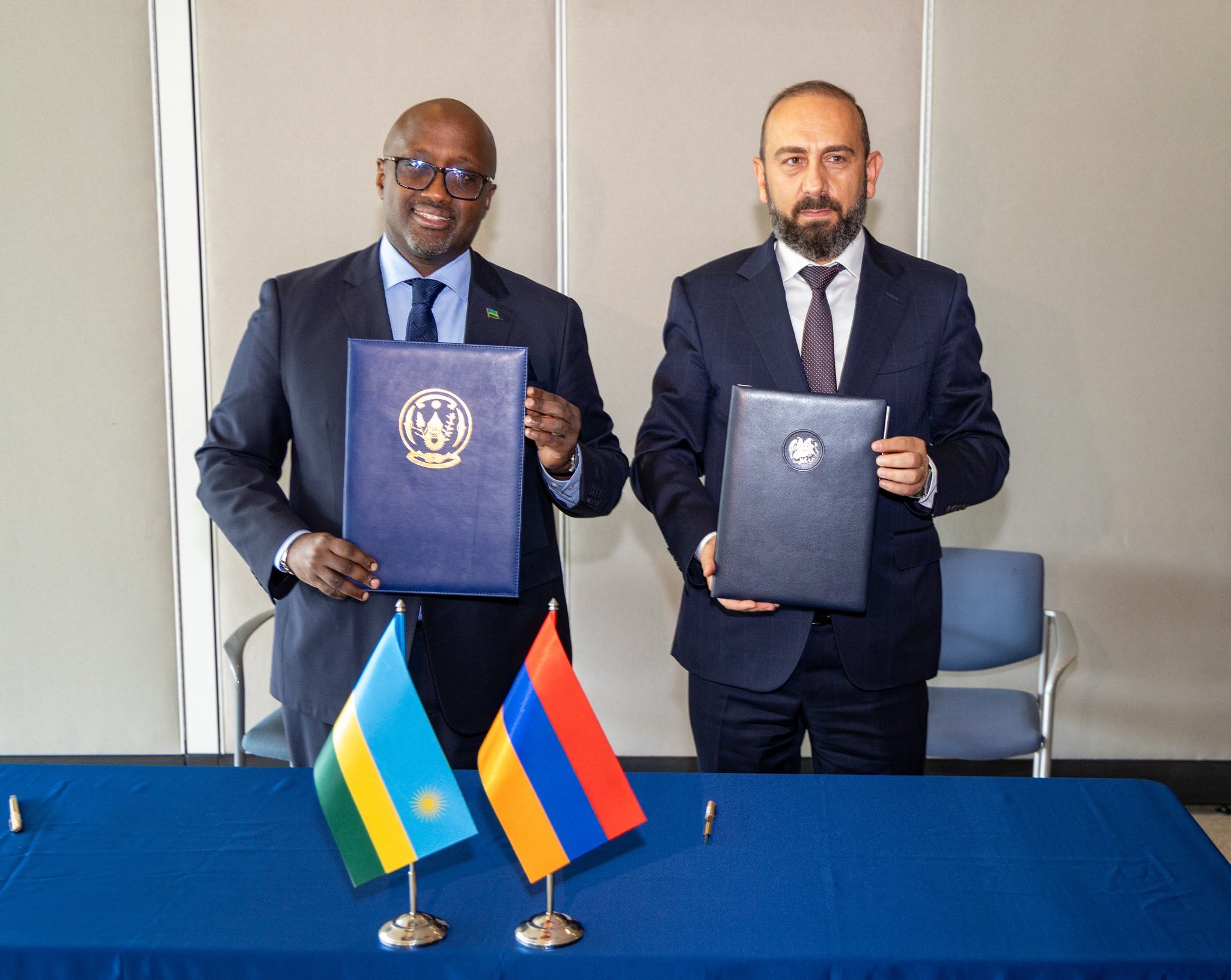
Rwanda and Armenia sign Agreement on mutual visa exemption
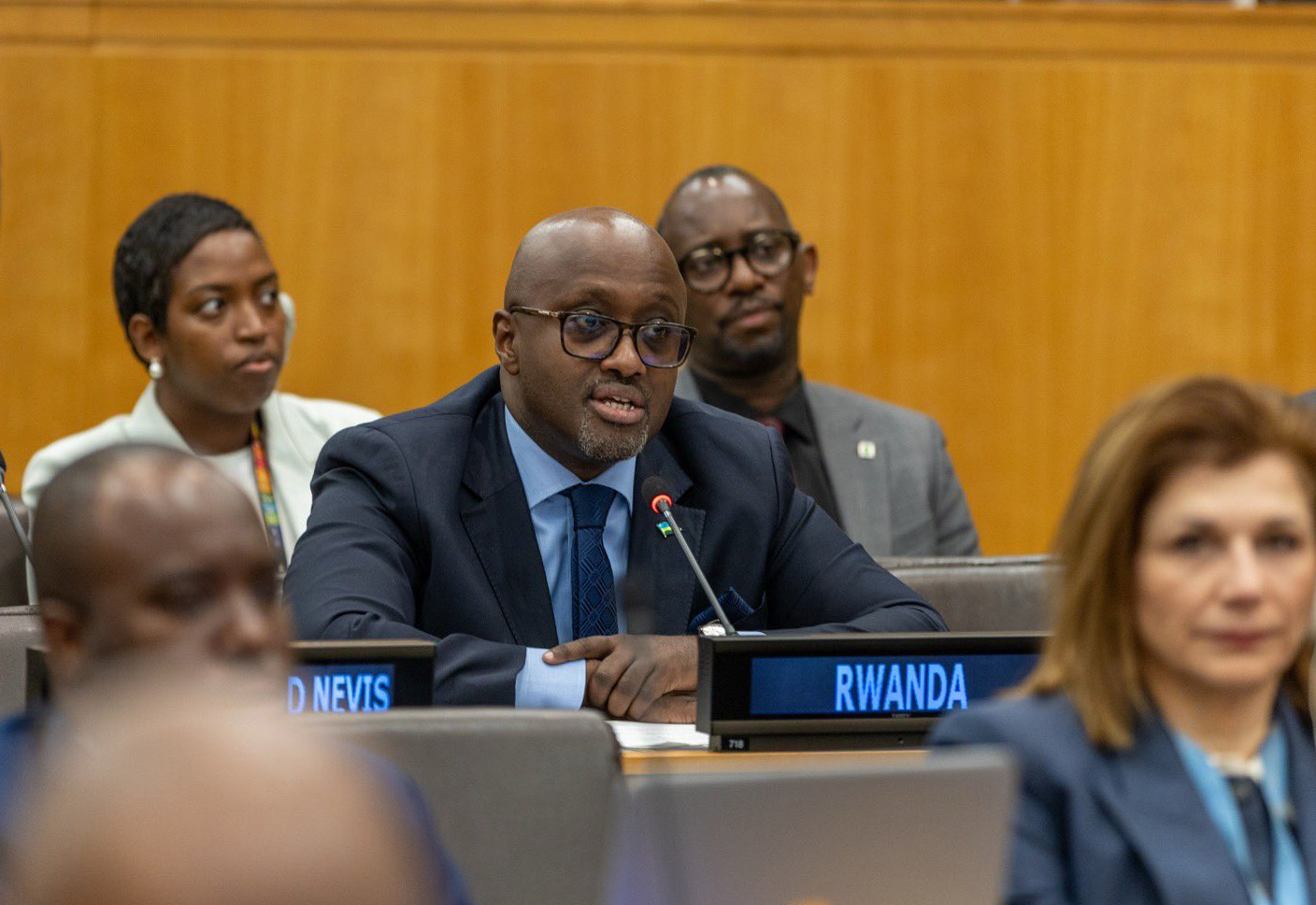
Rwanda Assumes G77 Chairmanship for 2027
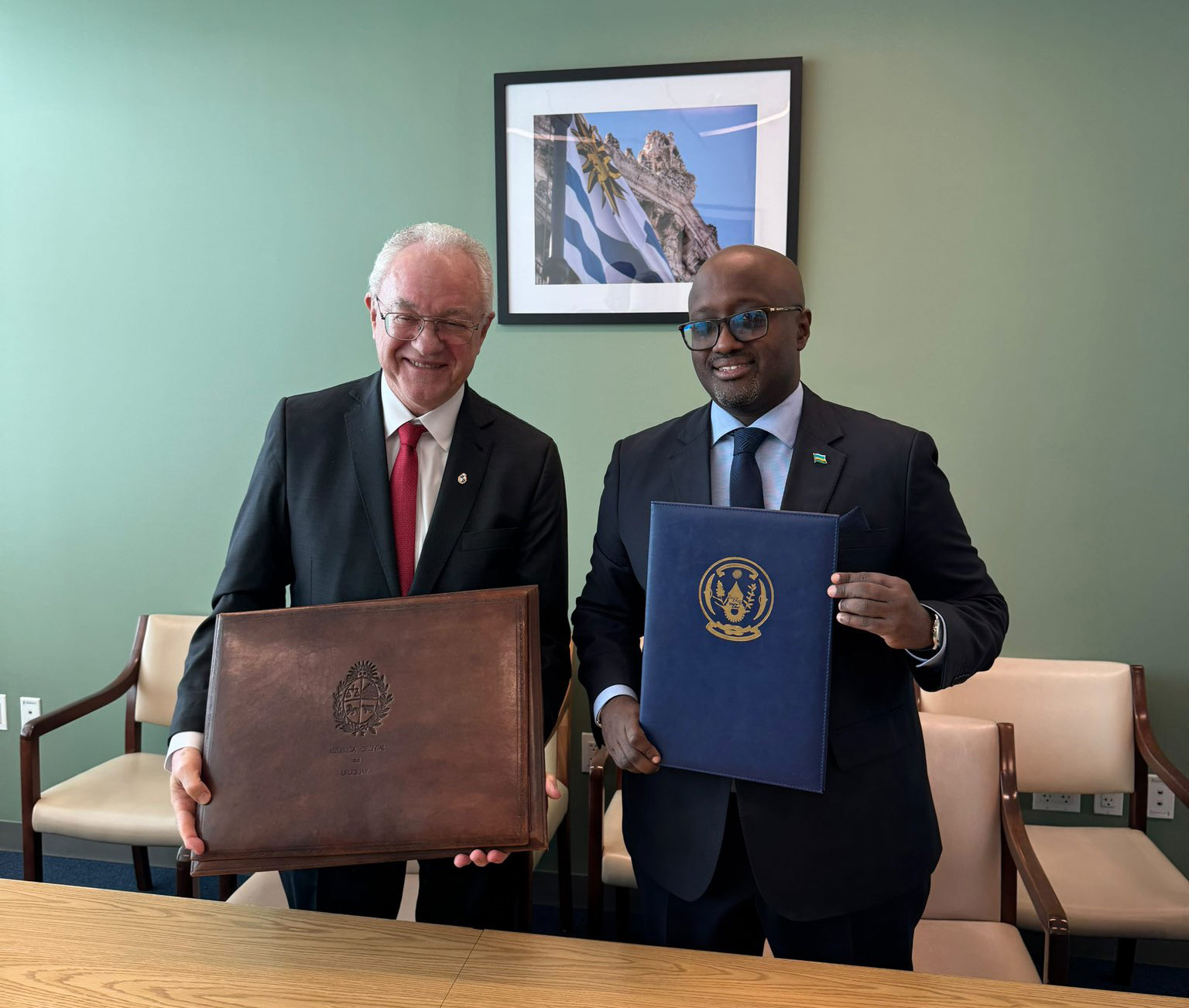
Rwanda and Uruguay Sign General Cooperation Agreement
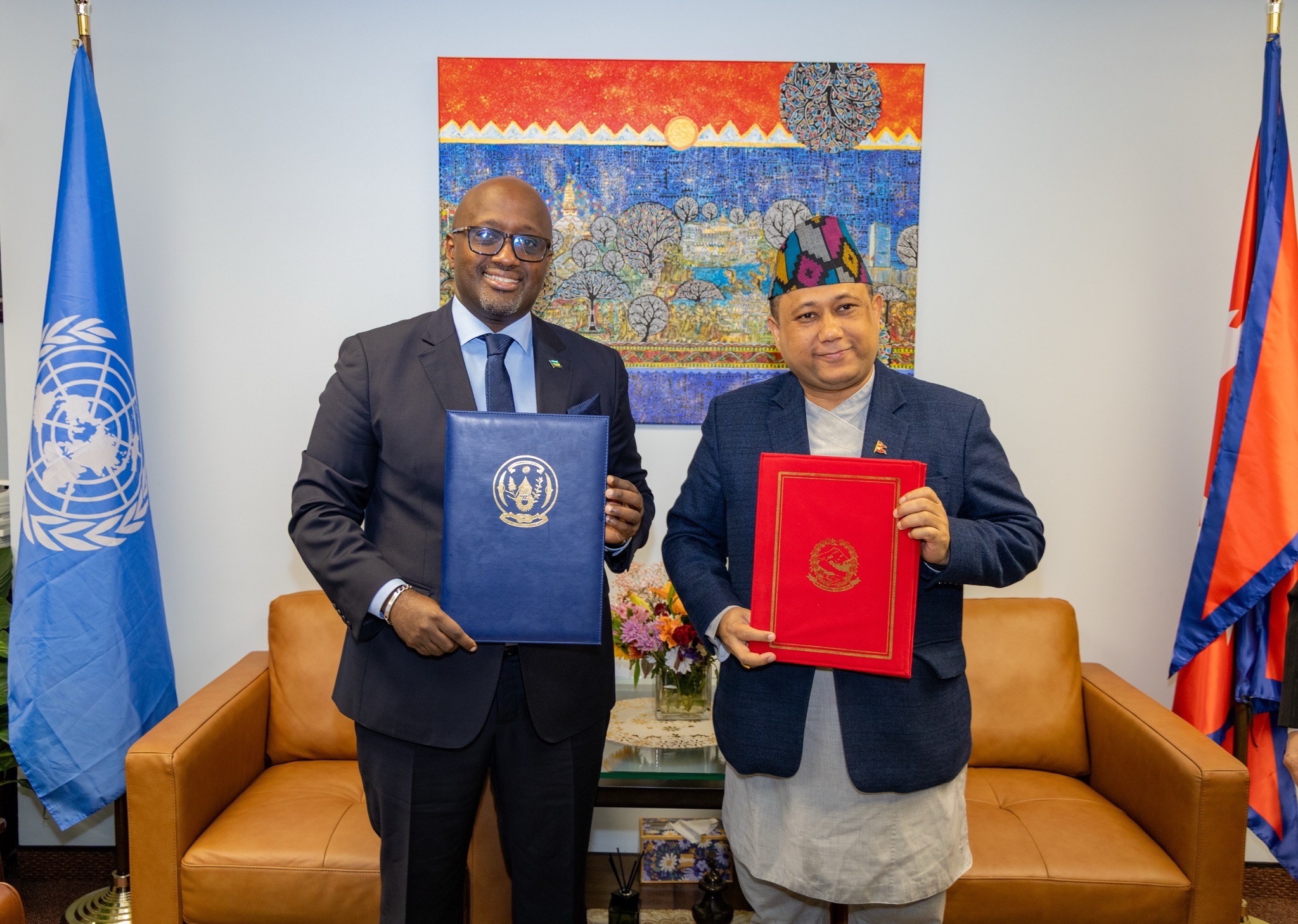
Rwanda and Nepal Sign General Cooperation Agreement
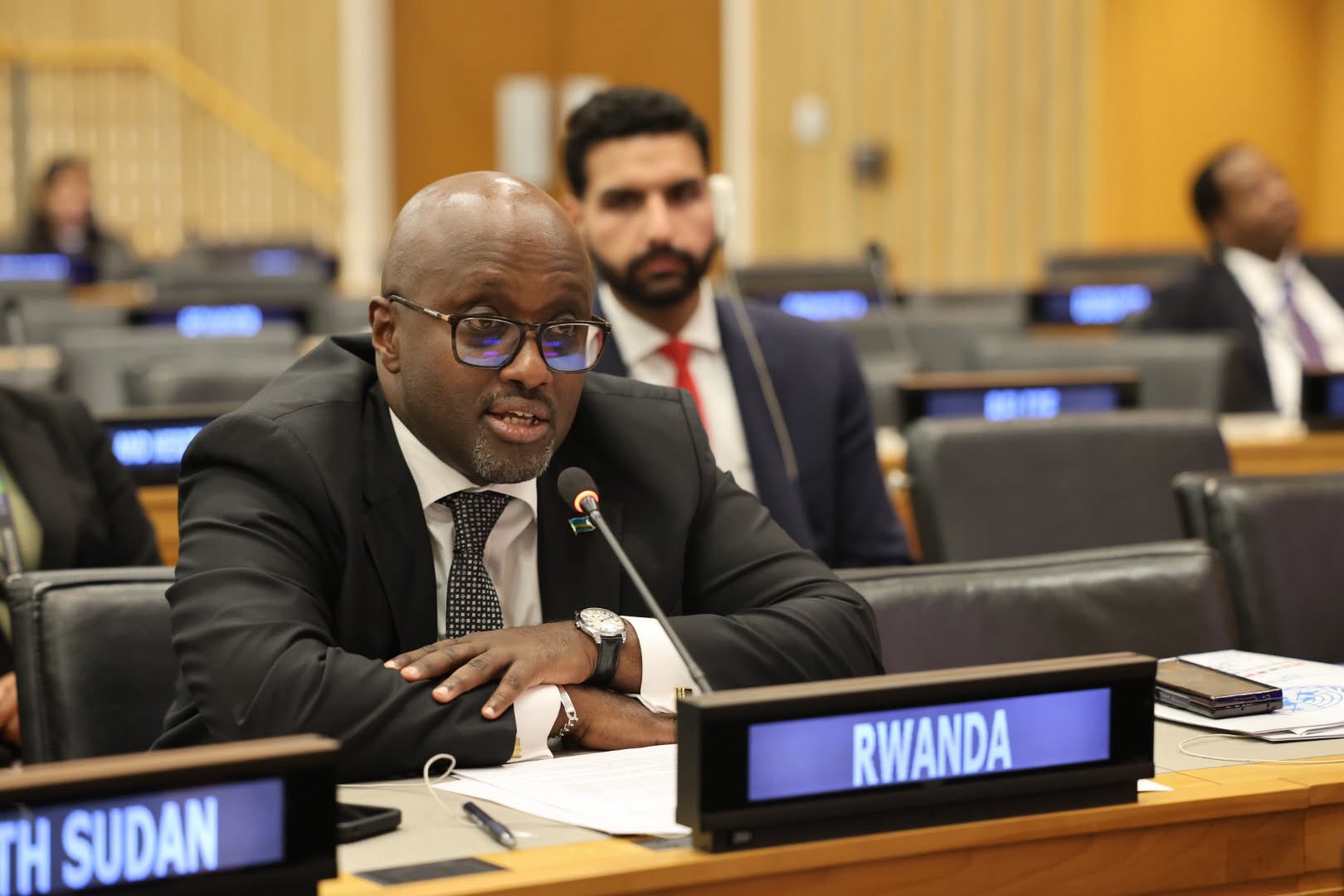
Minister Nduhungirehe attends Landlocked Developing Countries Annual Ministerial Meeting
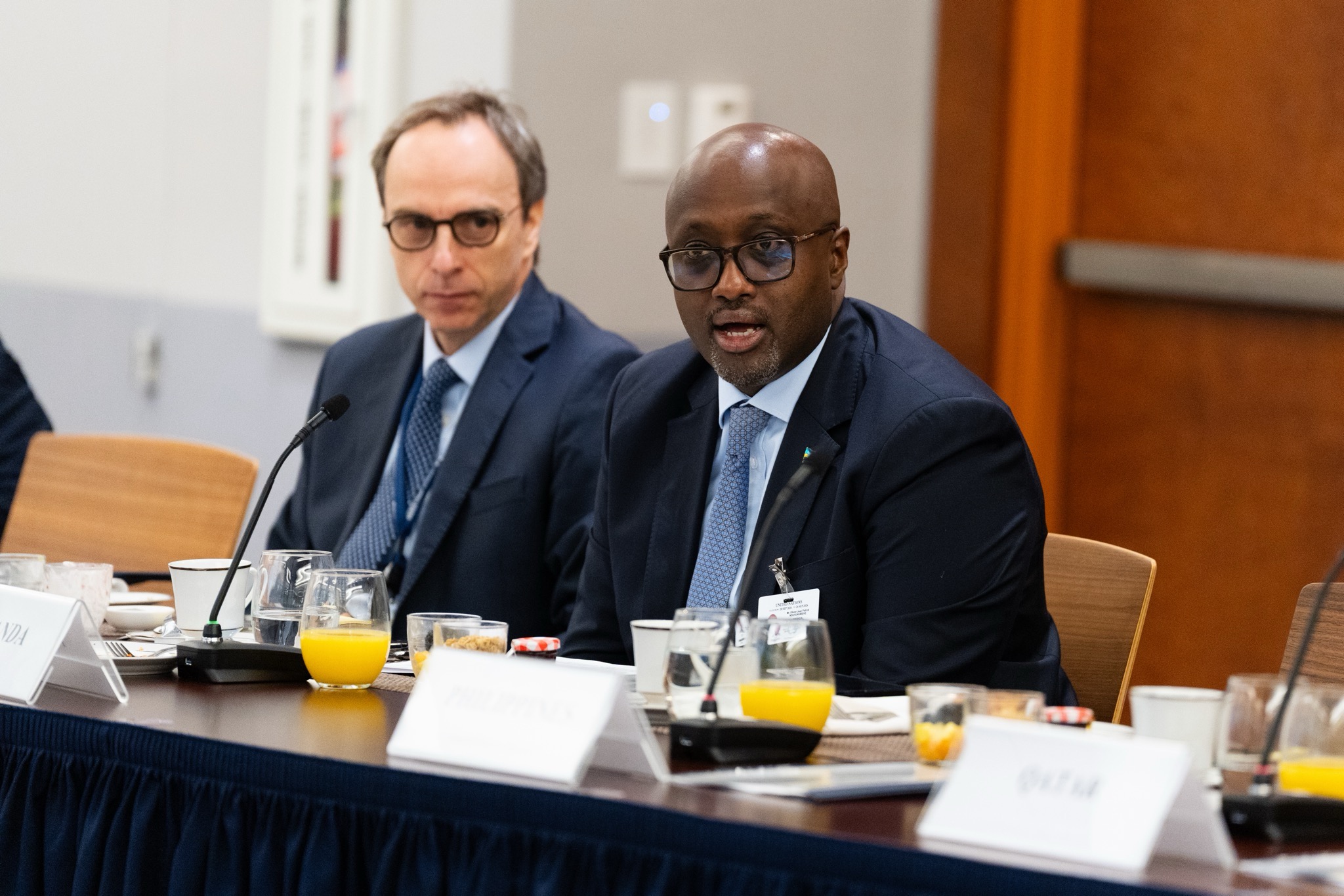
Minister Nduhungirehe attends 19th Ministerial Meeting of Global Governance Group
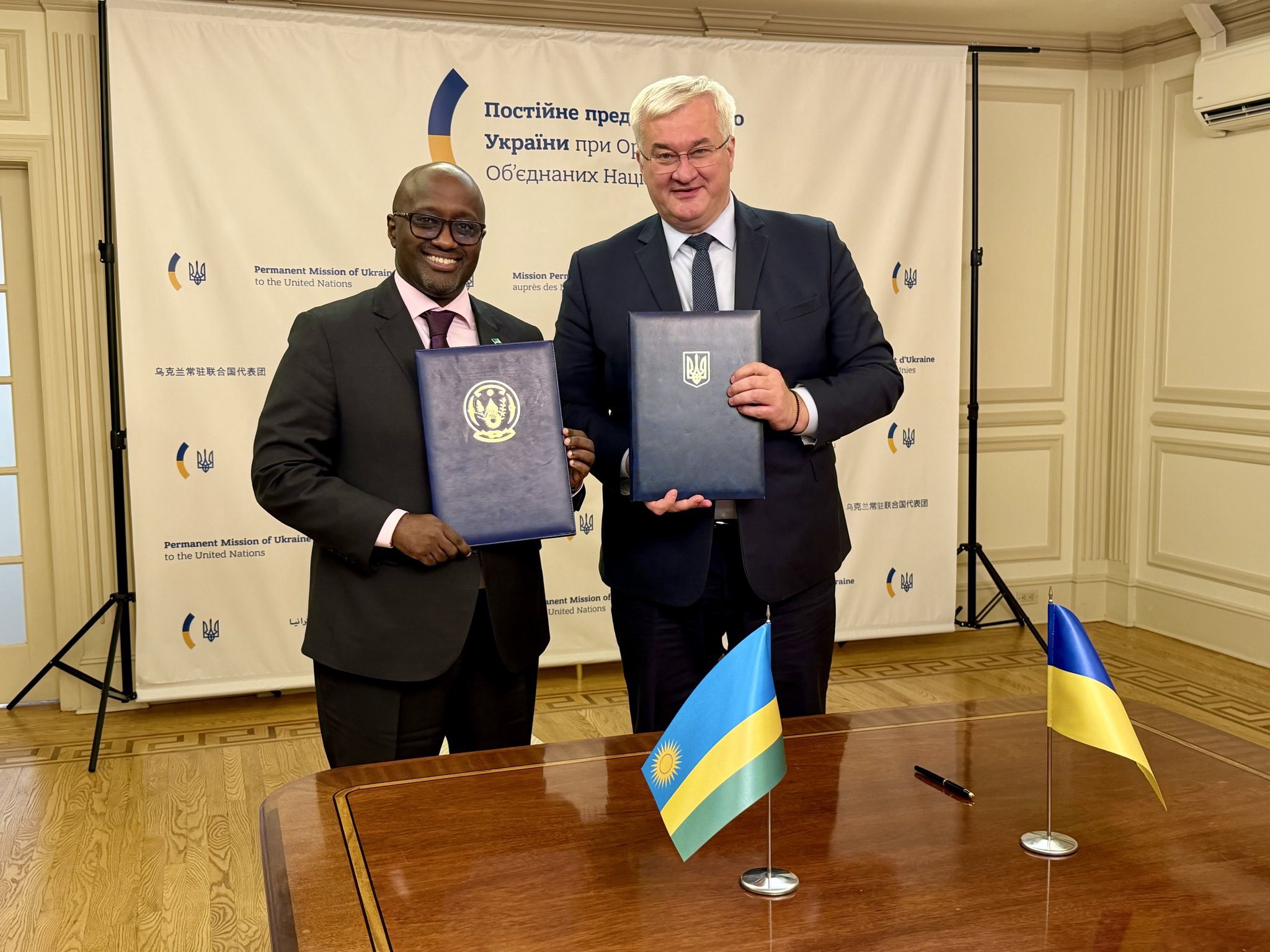
Rwanda and Ukraine Sign Agreement on Mutual Visa Exemption
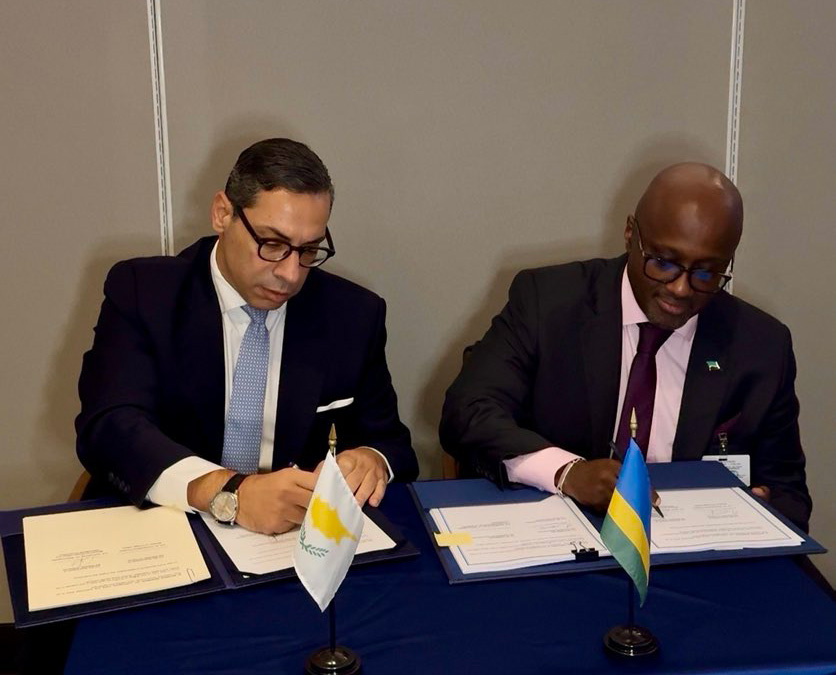
Rwanda and Cyprus sign Air Services Agreement