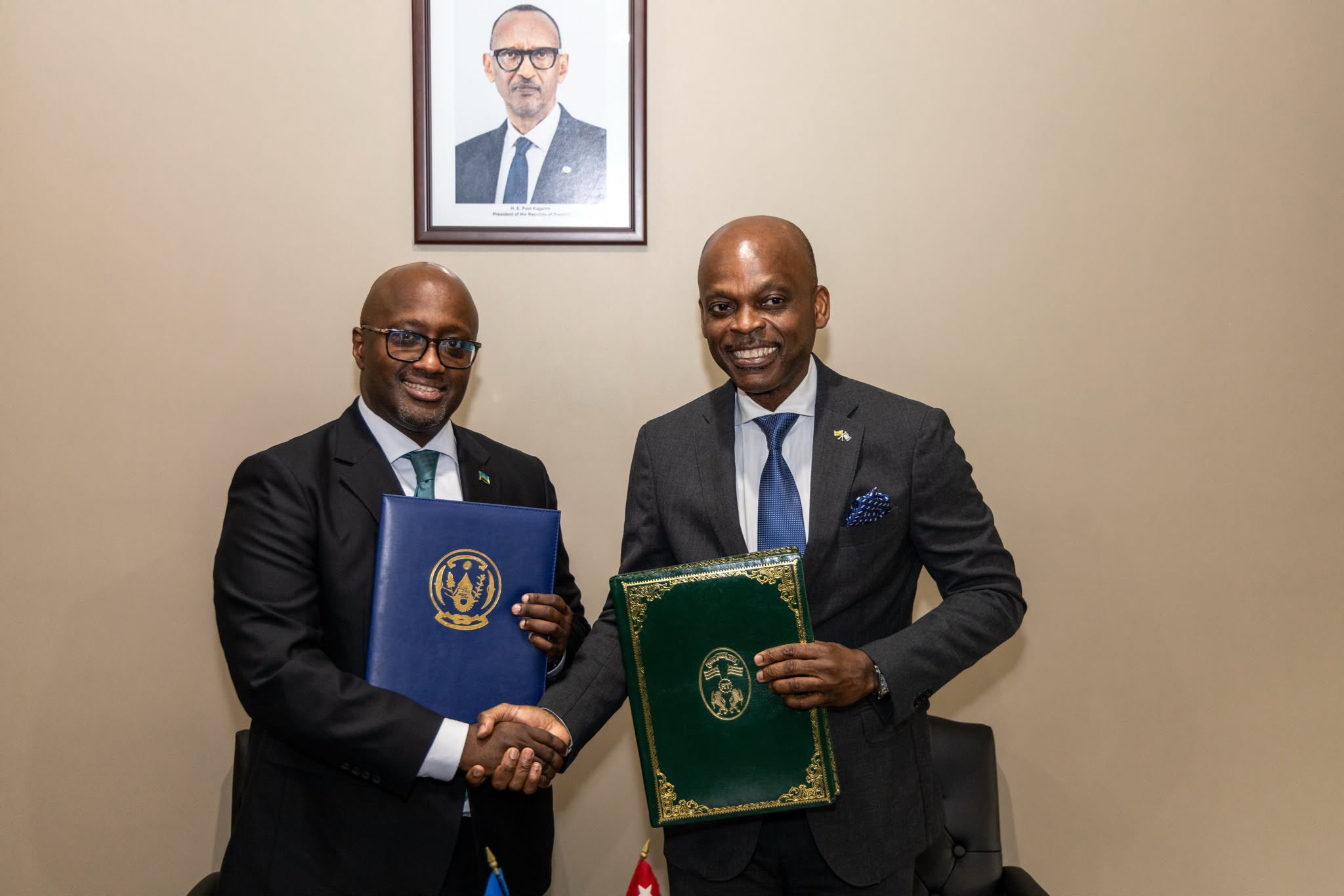
STATEMENT OF RWANDA AT HIGH LEVEL SEGMENT – 58TH HUMAN RIGHTS COUNCIL
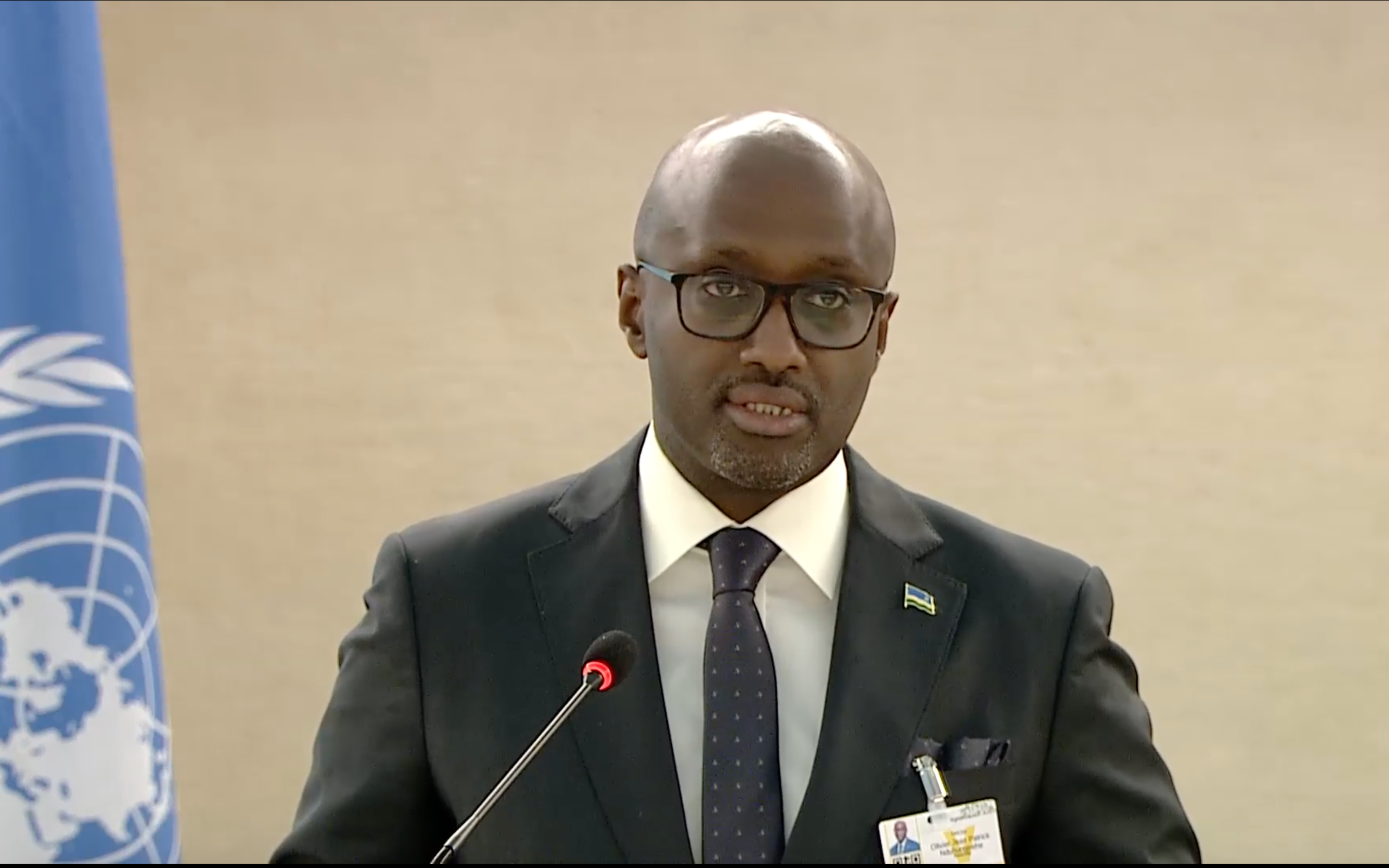
Geneva, 26 February 2025 - I wish to begin by congratulating His Excellency Jürg Lauber on his election as President of the Human Rights Council for 2025.
Rwanda stands ready to support the work of this Council in promoting and ensuring that human rights are respected universally, provided that they are respected without double standards.
Over the last three decades, global progress has been remarkable. Worldwide, people enjoy longer, healthier lives with greater opportunity than ever before.
Yet, amid these advances, the fundamental right to a dignified life remains unfulfilled in many parts of the world. In the Great Lakes region for example, the cancer of violent ethnic extremism and genocide ideology has once again re-emerged.
Communities continue to be targeted for who they are, how they look or even which language they speak – a grim reminder of the horrors witnessed during the 1994 Genocide against the Tutsi in Rwanda.
In Eastern Democratic Republic of Congo (DRC), hate speech, persecution, lynching, and even acts of cannibalism against Congolese Tutsi have become distressingly commonplace.
These Government-sponsored crimes against humanity are witnessed throughout the DRC. In South Kivu, Tutsi communities known as the Banyamulenge are bombed in Minembwe by Government forces and are subject to unprecedented persecutions in different cities such as Uvira. In Bujumbura, Burundi, they are even rounded up like in the old days and taken to unknown destination.
In Kinshasa, Congolese Tutsi and even Swahili speakers are persecuted and lynched in broad daylight, while in Ituri, up north far away from Rwanda’s border, the Hema ethnic group is being slaughtered by the CODECO militia allied to the DRC Government and the Islamic State-backed ADF, in total impunity.
Kinshasa’s reckless ethnic politics has created a fertile ground for systematic human rights abuses. Armed groups, including the FDLR genocidal militia and the Wazalendo — often bolstered by the complicity of Burundian forces — have perpetrated grave violations against Congolese Tutsi and other vulnerable communities.
In the DRC, hate speech is weaponized as a political tool by figures such as Justin Bitakwira, a personal friend to President Tshisekedi and member of parliament from the majority party, who declared that every Tutsi is a “natural born criminal”, wondering if the God that created the Tutsi are the same that created Congolese.
This phenomenon is not new; in 1998, former Vice-President and Foreign Minister Abdoulaye Yerodia predicted that the Tutsi will face the same fate as Jews in World War II and dehumanized the, calling them “vermin and microbes that must be eradicated methodically”.
Just recently, on 28 January 2025, the very day Embassies in Kinshasa, including the Rwanda Embassy. were attacked and looted, my colleague Foreign Minister of DRC, Thérèse Wagner, threatened the UN Security Council that without its intervention: “the streets will take care of it”, warning that: “The street does not have order or temperament”.
Indeed, after her speech, the streets took care of it. The targeting, the killing and the lynching of Tutsi in Eastern DRC, as well as in Kinshasa, intensified. Beyond the targeted killings, Banyamulenge villages in Minembwe, South Kivu, are being bombed by attack drones of the Congolese army.
This horror reminds me of the Nturo village in Masisi territory in North Kivu, where 300 homes of Congolese Tutsi were burned down by government militias in October 2023 in broad daylight, while Burundian forces were looking on.
All these horrors are well-documented and form an alarming pattern. In the last trimester of 2024 alone, the United Nations reported that DRC security organs were responsible of more than 30% of human rights violations in conflict zones.
Under the Universal Declaration of Human Rights, all rights are equal. Yet a double standard is evident in the treatment of Tutsi communities in Congo. How can this Council remain silent in the face of such injustice?
In light of this worrying situation, Rwanda calls on the Human Rights Council to take immediate and decisive action to halt these persecutions. The suffering of these people cannot be tolerated any longer; ethnic politics has no place in our region.
We hope that the recently established fact-finding mission on DRC will conduct impartial investigations into these abuses based on facts, which are currently being politicized by the DRC Government with the support of countries and organizations holding vested interests in the region.
To conclude, lasting peace in our region requires addressing the root causes of the conflict. It is imperative that all citizens of the DRC receive the full spectrum of human rights and protections to which they are entitled.
Topics
Rwanda and Armenia sign Agreement on mutual visa exemption
Rwanda Assumes G77 Chairmanship for 2027
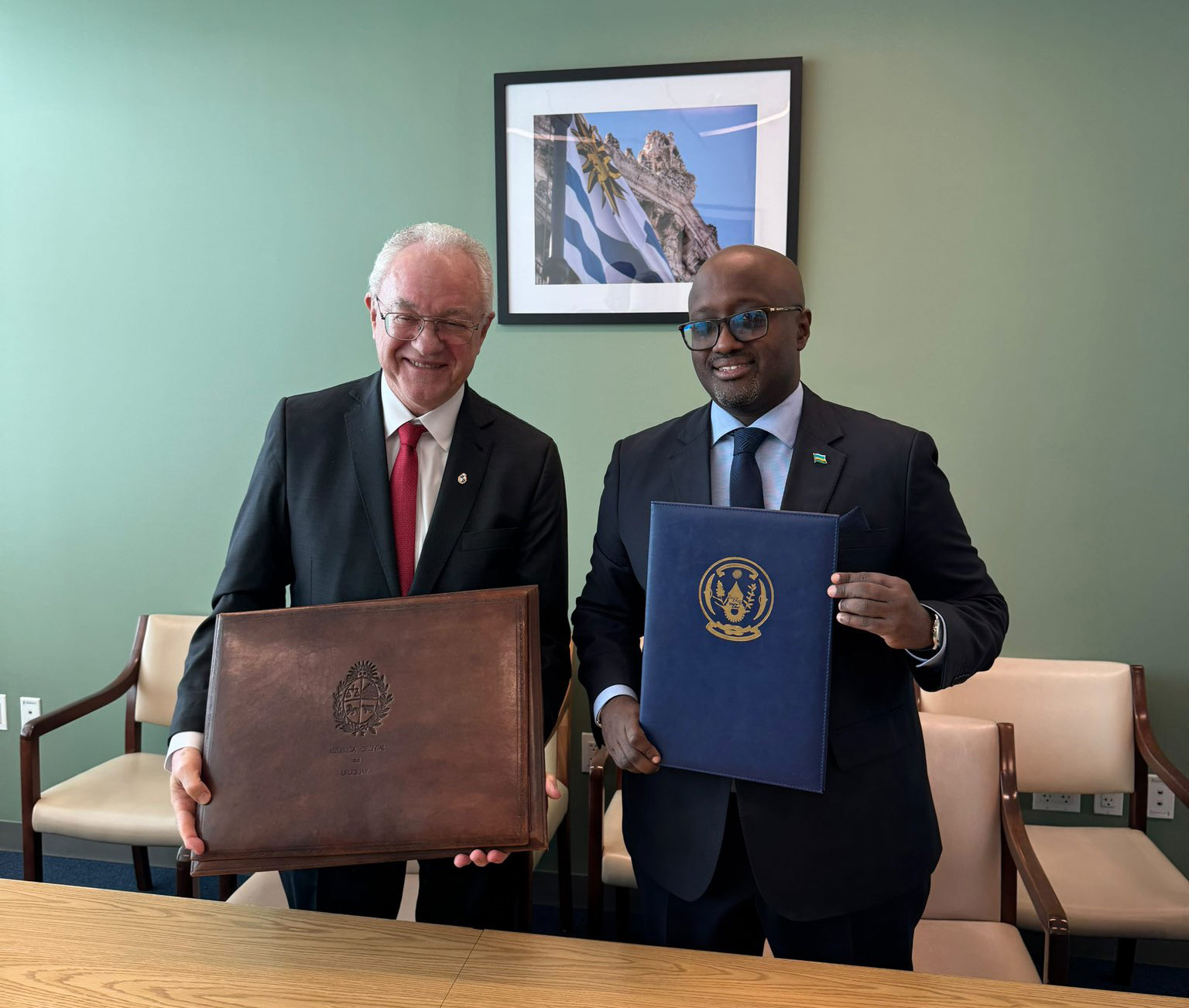
Rwanda and Uruguay Sign General Cooperation Agreement
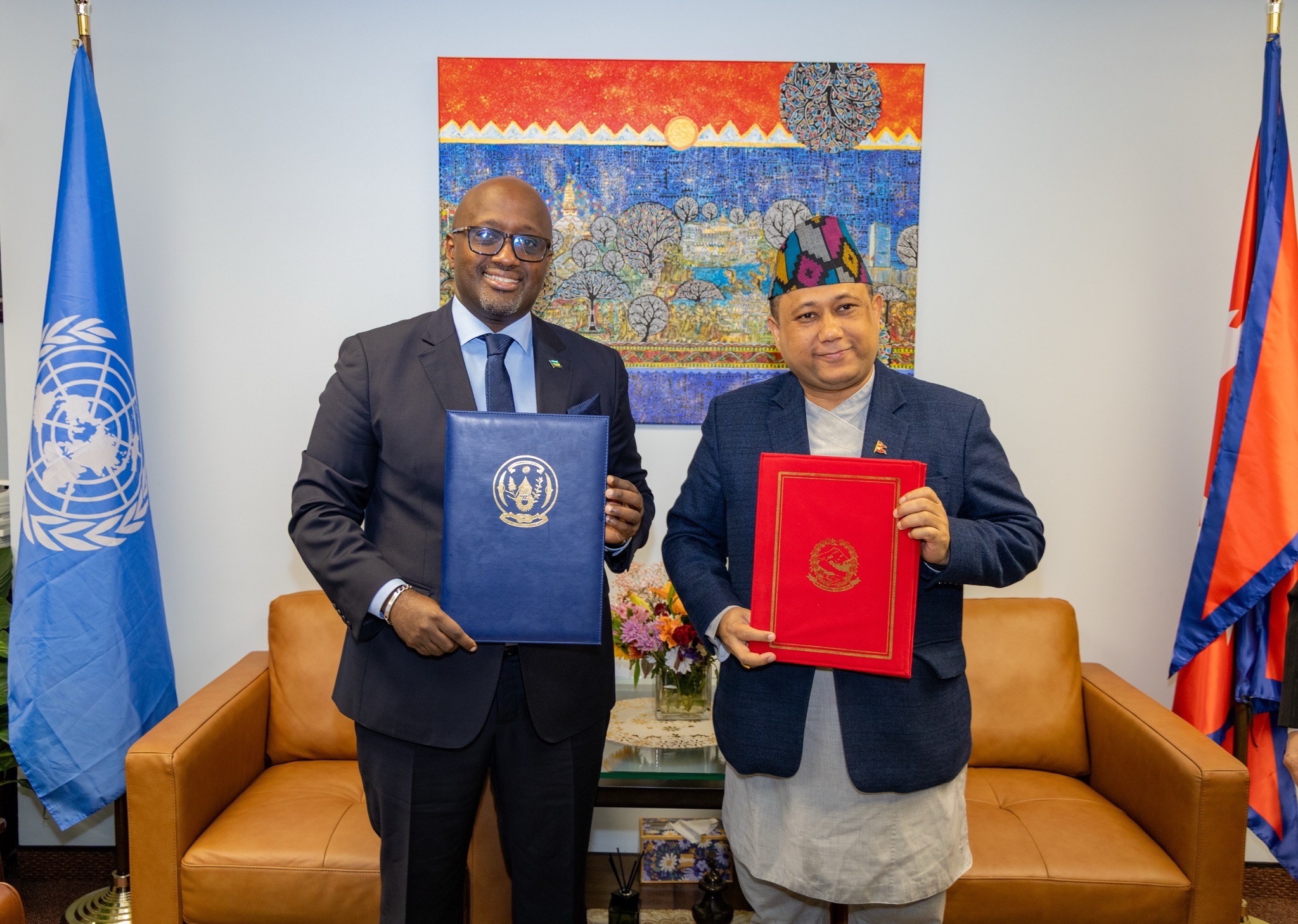
Rwanda and Nepal Sign General Cooperation Agreement
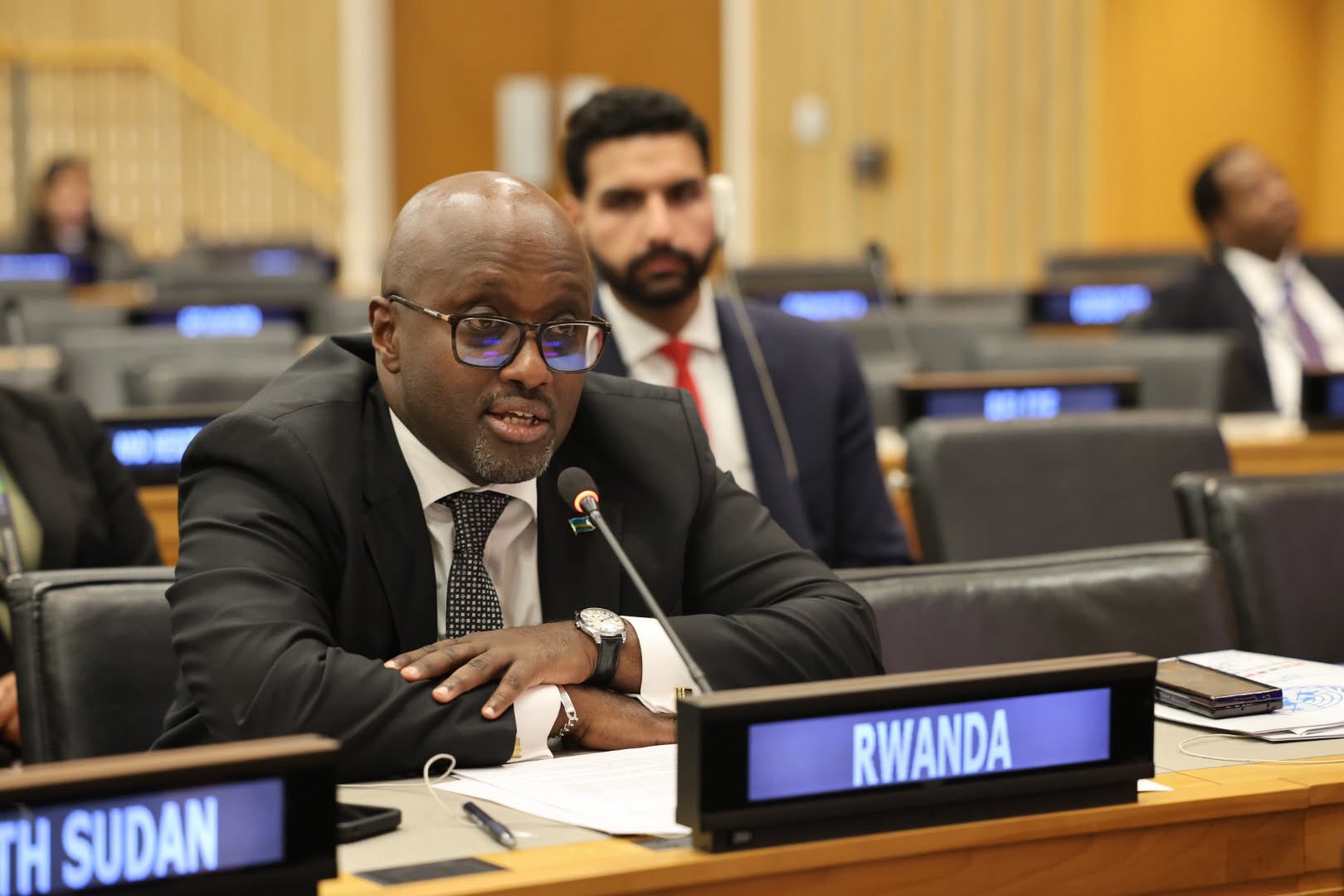
Minister Nduhungirehe attends Landlocked Developing Countries Annual Ministerial Meeting
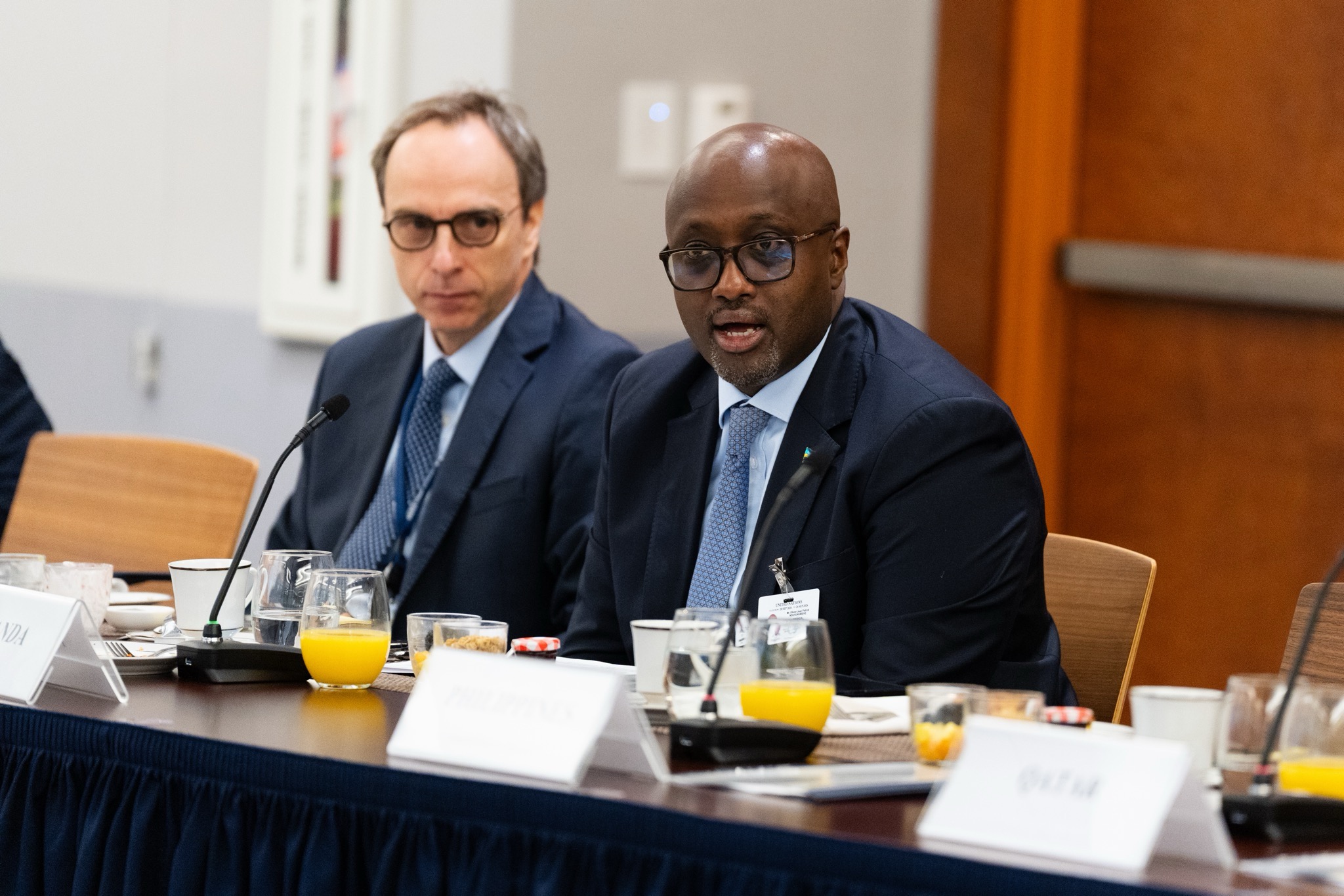
Minister Nduhungirehe attends 19th Ministerial Meeting of Global Governance Group
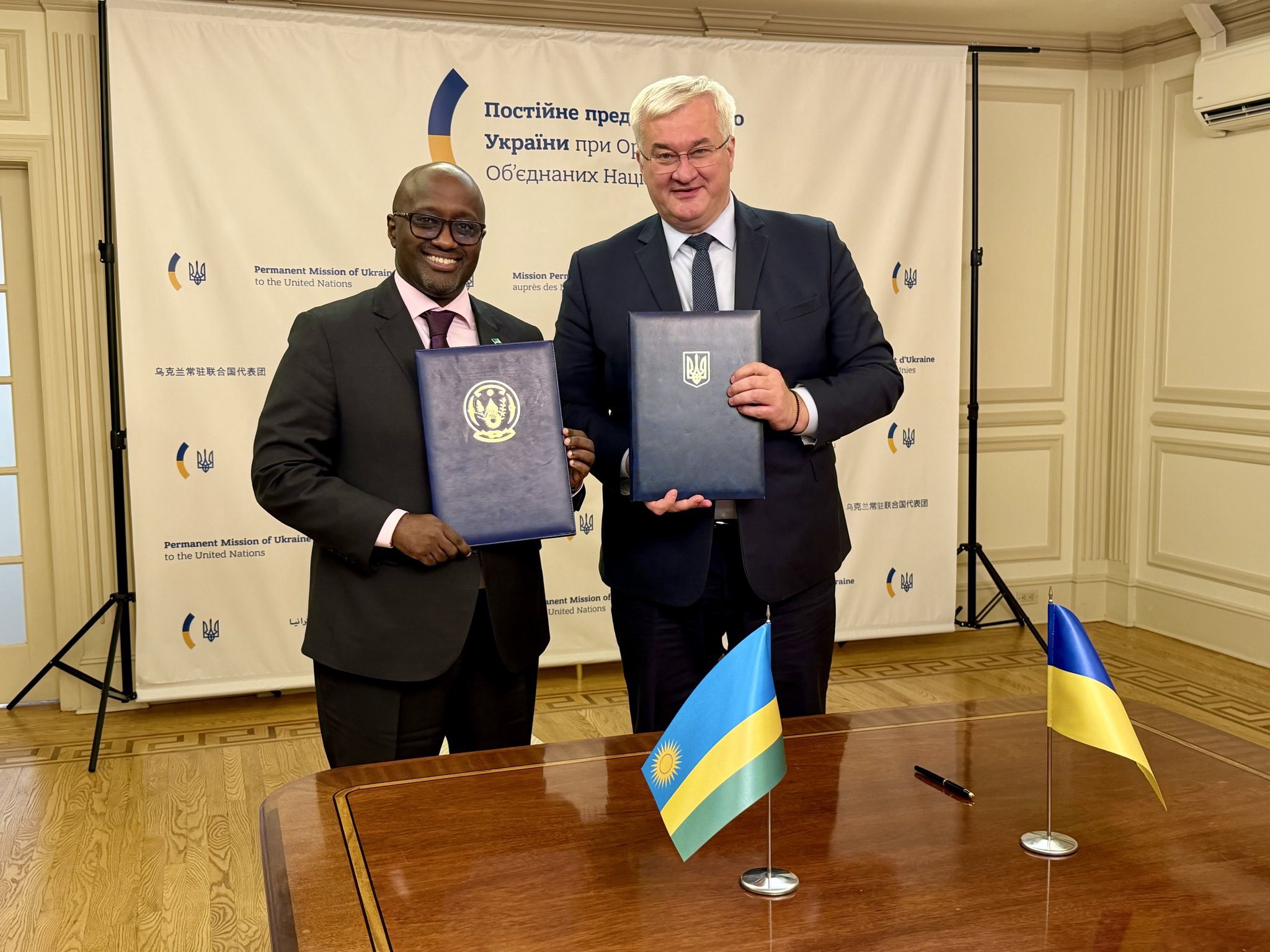
Rwanda and Ukraine Sign Agreement on Mutual Visa Exemption
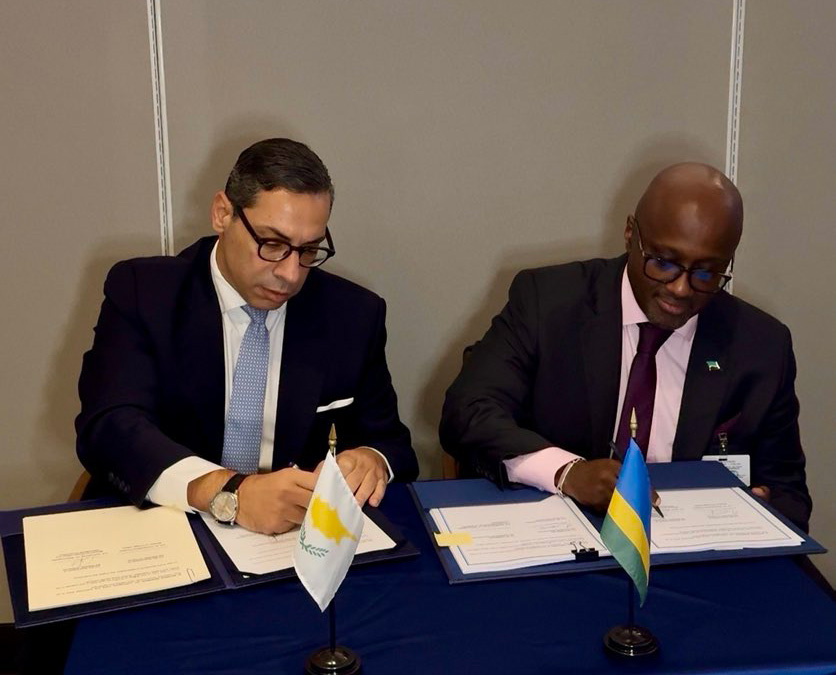
Rwanda and Cyprus sign Air Services Agreement